Aloe Vera Skincare: 5 Effective Moisturizing DIY Recipes
Looking for simple, effective, and budget-friendly moisturizers you can make in your own kitchen? You’re in the right place. I’ll show you how to use aloe to keep skin soft and calm without a heavy, greasy feel. These gentle recipes work for dry, oily, combination, and sensitive skin.
- Why Aloe Vera Moisturizes So Well
- Formulation Basics: Ingredients, Ratios, And Safety
- Aloe Vera Moisturizing Recipes For Every Skin Type
- 1.) Quick Pure Aloe Gel Moisturizer (2 Ingredients)
- 2.) Dewy Aloe + Glycerin Hydrating Gel (Shine-Free)
- 3.) Comfort Cream: Aloe + Jojoba + Shea For Dry Skin
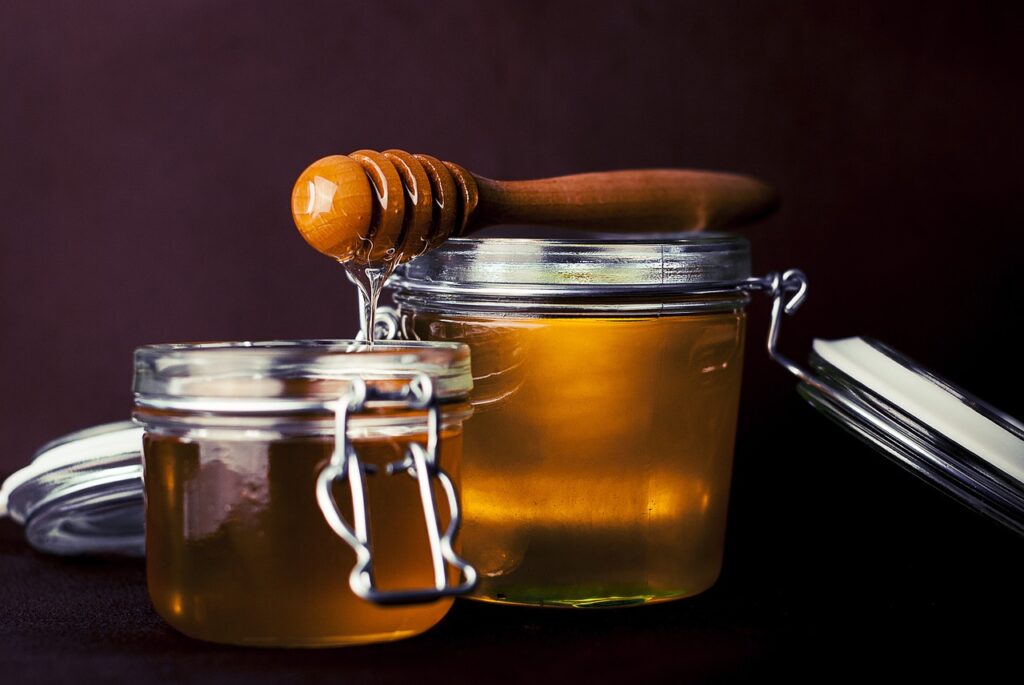
- 4.) Soothing Aloe + Honey Mask For Red, Sensitive Skin
- 5.) Overnight Barrier Repair: Aloe + Squalane Sleeping Gel
- Love This Simple, Natural Approach?
- How To Use Aloe Moisturizers For Best Results
- FAQs: Aloe Vera Skincare Formulations
- Aloe: Max Hydration
Click here to jump to the recipes.
Aloe gel is a naturally occurring compound that’s made up of mostly water. It has skin-loving vitamins and amino acids that help hydrate without a slick finish. I’ll share easy steps, clear ratios, and safe storage tips you can trust. We’ll keep it practical so you can mix small batches for your family in minutes. And yes, we’ll cover those small tweaks that fix sticky or oily textures fast.
Quick housekeeping before we start: patch test new mixes, keep tools clean and dry, and store fresh blends in the fridge. Your skin will thank you. We’ll talk about aloe vera skincare formulations in ways that fit real life, not a lab.
Why Aloe Vera Moisturizes So Well
Aloe is about 99 percent water, which is a big part of why it feels so light. It also acts as a humectant, so it pulls water into the skin. Alongside that, it contains vitamins, minerals, and amino acids that calm and support the skin barrier. This combination gives lightweight hydration for oily skin, deep comfort for dry skin, and soothing relief for redness. With steady use, many people notice skin that looks smoother and bouncier.
Key Skin Benefits You Can Feel
- Hydration without grease
- Redness relief and post-sun comfort
- Faster skin recovery after mild irritation
- Softer fine lines from better water balance
- A healthy, natural glow
Aloe can support collagen and elasticity when used consistently, especially when paired with a balanced routine.
Who Should Use It And When
- Oily or acne-prone skin: light gel blends that leave no film
- Combination skin: gel with a touch of oil on dry zones
- Dry or mature skin: gel-cream or a light oil-in-gel, with a balm on top if needed
- Sensitive or post-sun: soothing masks and simple gels
Good times to apply: in the morning under sunscreen, at night after cleansing, and anytime skin feels tight or warm. Keep expectations realistic and watch how your skin responds.
Fresh Vs. Bottled Aloe Gel
Fresh inner leaf gel feels ultra-light and soothing, but it spoils fast. Store-bought gels include safe thickeners and preservatives so they last longer. Look for products that list aloe first, with minimal additives and no strong fragrance. If your skin is reactive, strain fresh gel to remove bits and keep the aloe latex near the rind out.
Aloe Vera Skincare Formulations
Aloe works well with glycerin and hyaluronic acid for longer-lasting moisture. Many brands focus on high-purity inner leaf gel and gentle, fragrance-light options for sensitive skin. You will also see more squalane and barrier-friendly oils for comfort without heaviness, and better attention to sustainable sourcing.
Key Takeaway:
Pair aloe with humectants for lasting hydration, choose simple formulas, and keep it gentle if your skin is sensitive.
Formulation Basics: Ingredients, Ratios, And Safety
Here’s a simple toolbox you can use to build aloe moisturizers that fit your skin and your schedule. You will see starting ratios that you can adjust by feel. Always work with clean, dry tools, and make small batches so they stay fresh.
Moisture Dream Team: Humectants, Emollients, And Occlusives
- Humectants: pull water in. Think aloe, glycerin, and hyaluronic acid.
- Emollients: smooth and soften. Jojoba, squalane, argan.
- Occlusives: seal in moisture. Shea butter and beeswax.
Simple pairings that work:
- Oily skin: aloe plus a touch of glycerin
- Balanced skin: aloe with jojoba
- Dry skin: aloe with squalane and a little shea to lock it in
If you want ideas for gentle cleansers to pair with these moisturizers, try these DIY tea tree oil face wash recipes, which include options for different skin types.
Starter Ratios That Work
Use these baselines by volume and adjust in 5 percent steps.
- Light gel: 90 percent aloe, 5 percent glycerin, 5 percent jojoba or squalane
- Richer gel-cream: 80 percent aloe, 10 percent glycerin, 8 percent light oil, 2 percent melted shea
- Soothing mask: 70 percent aloe, 25 percent honey, 5 percent oil
A quick note on texture: oil and water separate without an emulsifier. Shake before each use, or use a small amount of emulsifying wax if you want a stable lotion and you feel comfortable with that step.
Here is a quick summary table you can screenshot:
| Formula Type | Aloe % | Humectant % (Glycerin) | Oil % (Jojoba/Squalane) | Shea % | Notes |
|---|---|---|---|---|---|
| Light Gel | 90 | 5 | 5 | 0 | Oily or hot climates |
| Gel-Cream | 80 | 10 | 8 | 2 | Normal to dry skin |
| Soothing Mask | 70 | 25 (Honey) | 5 | 0 | Sensitive, post-sun, weekly |
Texture Choices: Gel, Gel-Cream, Or Balm
- Gel: best for day use and oily skin. Absorbs fast, feels cool.
- Gel-cream: great for normal to dry skin. Cushiony and soft.
- Balm: a thin layer on top at night for very dry spots, like cheeks or around the nose.
Quick fixes:
- Too sticky, add a little oil or reduce glycerin.
- Too oily, cut back on oil and add a bit more aloe or glycerin for slip.
Safety, Shelf Life, And Storage
- Patch test first, especially on sensitive skin.
- If you harvest leaves, avoid the yellow latex near the rind.
- Keep fresh recipes in the fridge in clean, airtight containers.
- Without preservatives, use within 5 to 7 days.
- If you add a broad-spectrum preservative, follow the label and still discard if smell or color changes.
- Keep out of the heat and sunlight. Use clean hands or a spatula to prevent contamination.
Key Takeaway:
Clean tools, small batches, and fridge storage keep your DIY moisturizers fresh and safe.
Aloe Vera Moisturizing Recipes For Every Skin Type
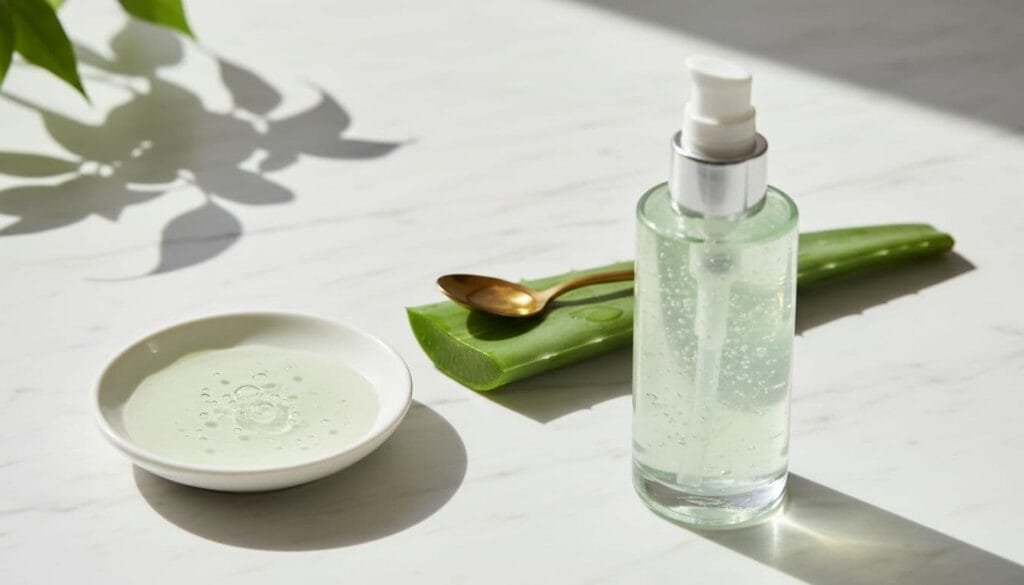
Below are step-by-step recipes with measurements, skin type notes, and shelf life. I use plain kitchen tools and small glass jars. If you want more honey-based moisturizers after these, try these manuka honey skin cream DIY recipes.
1.) Quick Pure Aloe Gel Moisturizer (2 Ingredients)
Best for: all skin types, especially oily or hot climates
Ingredients:
- 4 tbsp aloe gel
- 1 tsp jojoba oil or squalane
- Optional: 3 drops of vitamin E for extra slip
Steps:
- Add aloe to a clean bowl.
- Whisk in oil until smooth.
- Apply to damp skin.
Notes:
- Finish feel: light and fresh.
- Shelf life: 5 to 7 days refrigerated.
2.) Dewy Aloe + Glycerin Hydrating Gel (Shine-Free)
Best for: oily and combination skin
Ingredients:
- 5 tbsp aloe gel
- 1 tsp vegetable glycerin
- 1 tsp rose water
Steps:
- Mix gently until even.
- Refrigerate 30 minutes so it thickens slightly.
- Use a pea-sized amount on damp skin, then apply sunscreen.
Tips:
- If tacky, reduce glycerin by 1/2 tsp.
- Shelf life: 5 to 7 days refrigerated.
3.) Comfort Cream: Aloe + Jojoba + Shea For Dry Skin
Best for: dry or mature skin
Ingredients:
- 4 tbsp aloe gel
- 1 tbsp jojoba oil
- 1 tsp melted shea butter
- Optional: 1/2 tsp emulsifying wax for stability
Steps:
- Gently melt shea, then whisk in jojoba.
- Let the oil blend cool until just warm.
- Whisk the oil blend into the aloe until creamy.
- If no emulsifier, shake before each use.
Tips:
- Press a thin layer under your night cream if very dry.
- Shelf life: 5 to 7 days refrigerated.
4.) Soothing Aloe + Honey Mask For Red, Sensitive Skin
Best for: sensitive or post-sun skin
Ingredients:
- 2 tbsp aloe gel
- 1 tbsp raw honey
- 1/2 tsp jojoba oil
Steps:
- Mix until smooth.
- Apply a thin layer for 10 to 15 minutes.
- Rinse with lukewarm water.
Tips:
- Use 1 to 2 times weekly.
- Skip essential oils if very sensitive.
- Shelf life: make fresh or use within 5 days refrigerated.
If you are building a gentle routine around these recipes, you may find these DIY facial exfoliator recipes helpful. Gentle exfoliation can help your moisturizers absorb better.
5.) Overnight Barrier Repair: Aloe + Squalane Sleeping Gel
Best for: dry patches or seasonal dryness
Ingredients:
- 5 tbsp aloe gel
- 1 tsp squalane
- 1/4 tsp panthenol (vitamin B5), optional
Steps:
- Whisk aloe, squalane, and panthenol until smooth.
- Pat a thin layer over your serum at night.
- Let it absorb before bed.
Notes:
- Shelf life: 5 to 7 days refrigerated.
- You will likely wake up to softer, calmer skin. This is one of my favorite aloe vera skincare formulations for winter dryness.
Key Takeaway:
Pick one recipe that suits your skin, keep it cold, and adjust the oil or glycerin to your skin type.
Love This Simple, Natural Approach?
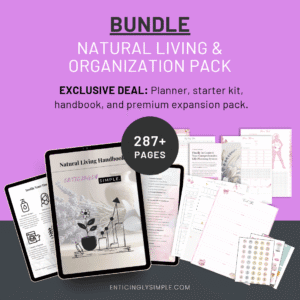
This post is just the beginning. The Natural Living Handbook is your complete guide to applying this philosophy to your entire home.
It’s the heart of the bundle below, with 60+ proven, easy recipes for non-toxic skincare, haircare, laundry, and cleaning.
How To Use Aloe Moisturizers For Best Results
Here is how to fit these DIYs into your daily routine without fuss.
Smart Layering: Morning And Night
- Morning: cleanse, apply aloe-based moisturizer to damp skin, then sunscreen.
- Night: cleanse, optional serum, aloe gel or gel-cream, then a thin balm on very dry spots.
- Use small amounts and let each layer absorb for about 60 seconds.
Patch Testing And Sensitivity Tips
- Test behind the ear or inner arm for 24 hours.
- If using fresh leaves, avoid the yellow latex near the rind.
- Start once daily, then increase as skin allows.
- If stinging happens, rinse and reduce actives like glycerin or honey.
Troubleshooting: Pilling, Stickiness, Or Breakouts
- Pilling: Use less product, allow more dry time, and avoid silicone-heavy layers beneath.
- Stickiness: Reduce glycerin slightly or add a few drops of light oil.
- Breakouts: switch coconut oil to jojoba or squalane, keep formulas lighter, and clean tools well.
Family-Friendly Uses Beyond The Face
- After-sun body gel for cooling comfort
- As a hand cream booster, add a dab of gel before your usual hand cream
- Shaving calm gel for legs or underarms
- Light foot mask at night with socks
Keep formulas away from the eyes and always patch test on kids. Keep scents minimal or skip them.
FAQs: Aloe Vera Skincare Formulations
Can Aloe Replace My Daily Moisturizer?
Often, yes. In warm months or for oily skin, aloe blends can be enough. If you are very dry, add a cream or a thin balm on top.
Is Fresh Aloe Better Than Bottled Gel?
Fresh feels amazing, but it spoils fast. Bottled gel with a short, clean ingredient list is convenient and stable. Both can work well.
How Long Do Homemade Aloe Products Last?
Without a preservative, use within 5 to 7 days in the fridge. Make small batches and toss the batch once it smells bad or the color changes.
What Preservatives Are Safe For DIY?
Choose a reputable broad-spectrum preservative and use it exactly as labeled. Clean tools still matter, even with a preservative.
Can I Use Aloe With Retinol Or Vitamin C?
Usually yes. Aloe layers well and can ease dryness. Apply actives first, let them dry, then apply aloe gel.
Will Aloe Clog Pores?
Aloe is lightweight and non-greasy. Pair it with non-comedogenic oils like jojoba or squalane if you get clogged pores.
Why Did My Aloe Gel Turn Pink Or Brown?
That can mean oxidation or contamination. Discard it, make a fresh batch, and store it cold and away from light.
Can I Use Aloe On Eczema Or Sunburn?
Often helpful for cooling and comfort. Keep formulas simple and fragrance-free, and stop use if stinging or redness occurs.
Aloe: Max Hydration
Aloe makes hydrating, low-tox skincare simple and doable for busy families. Choose one recipe that fits your skin type and make a small batch this week.
Keep the basics in mind, like patch testing, clean tools, and fridge storage. Tweak oil or glycerin to fix the feel, and use your blend consistently for steady results. With these aloe vera skincare formulations, your daily routine can stay calm, clean, and effective.