Botanical-Based Skincare Explained: What to Use and Why
Ever wish your routine felt gentler, simpler, and still worked? That is the quiet power of botanical-based skincare. We are talking about products made with plant oils, extracts, and powders that support your skin’s barrier and microbiome without harsh chemicals.
- What Is Botanical-Based Skincare And Why It Works
- Top Plant Ingredients And What They Do
- Soothers And Redness Reducers: Aloe, Chamomile, Green Tea
- Brightening And Dark Spot Help: Licorice Root, Vitamin C-Rich Botanicals, Turmeric
- Firming And Barrier Support: Rosehip, Jojoba, Argan, Olive-Derived Squalane
- Breakout Support Without Stripping: Tea Tree, Willow Bark, Thyme
- Sensitive-Skin Friendly Retinoid Alternatives: Bakuchiol, Gotu Kola, Sea Buckthorn
- Build A Simple Botanical Routine By Skin Type
- Morning Routine: Protect, Hydrate, And Prime The Barrier
- Night Routine: Cleanse Well, Treat, And Seal In Moisture
- By Skin Type: Oily, Dry, Combination, Sensitive, And Mature
- Seasonal Swaps: Summer Lightweights And Winter Rich Oils
- Quick DIYs You Can Make Safely At Home
- Love These Simple DIYs? Get the Complete Recipe Collection.
- Safety, Myths, And Smart Shopping Tips
- FAQs: Botanical-Based Skincare
- Natural Skincare, Healthy Skin
If you are balancing kids, meals, and a full laundry basket, you need care that fits real life. In this guide, I will show how plant actives help calm redness, clear breakouts, and soften fine lines, with easy steps you can actually use. We will cover what botanicals are, how they work, top ingredients by benefit, simple routines by skin type, safety tips, and FAQs. Expect gentle care, real results, and fewer steps.
What Is Botanical-Based Skincare And Why It Works
Botanical-based skincare uses plant-derived ingredients to feed and protect your skin. Plants are rich in antioxidants that fight free radicals from sunlight and pollution. Many herbs and seeds contain anti-inflammatory compounds that reduce redness. Plant lipids, like those in jojoba and squalane, seal in moisture and strengthen the skin’s barrier. Gentle natural acids and enzymes smooth skin’s texture, so it looks more even and feels softer.
Think of your skin barrier like a brick wall. The bricks are skin cells, and the mortar is made of lipids. When the mortar is strong, skin holds moisture and keeps out irritants. The microbiome is your skin’s friendly neighborhood of tiny organisms that help defend against trouble. When you support both the barrier and the microbiome with soothing, nourishing botanicals, you see fewer flare-ups, better hydration, and steadier results.
Recent trends point to microbiome-friendly formulas, multi-tasking plant blends, and thoughtful sourcing. Many brands are focusing on minimal fragrances, gentler preservatives, and eco-conscious packaging. For you, that can mean less irritation, a lighter shelf, and products that align with a low-tox home.
Tie it to your goals:
- Want glow? Antioxidants boost radiance and help keep tone even.
- Clogged pores? Willow bark and green tea support clearer skin without that tight, stripped feeling.
- Fine lines? Rosehip, bakuchiol, and squalane help with elasticity and smoothness.
- Sensitive or reactive skin? Aloe and chamomile calm and comfort.
Key Takeaway:
Feed the barrier, calm the microbiome, and aim for steady, gentle progress. That is how botanicals shine.
The Science In Simple Terms: Antioxidants, Lipids, And Phytonutrients
- Antioxidants: They fight free radicals from the sun, smoke, and pollution. Example: green tea extract supports brighter, calmer skin.
- Lipids and fatty acids: They help seal in moisture and keep the barrier strong. Example: jojoba oil mimics skin’s natural oils.
- Phytonutrients: Plant compounds like polyphenols and flavonoids calm, protect, and can brighten. Example: turmeric helps even tone.
How Plant-Based Ingredients Transform Skin Over Time
You can usually feel softer hydration in a few days. Tone and texture often improve in 2 to 4 weeks. Dark spots and fine lines may start to fade in 8 to 12 weeks, especially with daily SPF and consistent use.
Slow and steady care works better than harsh, quick fixes. I like to snap a photo every other week or jot a note in a simple skin journal. It keeps expectations honest and progress clear.
Realistic Expectations: How Long to See Results?
- Hydration and comfort: 3 to 7 days
- Tone and texture: 2 to 4 weeks
- Dark spots and fine lines: 8 to 12 weeks
Who Benefits Most: Acne, Dryness, Sensitivity, And Mature Skin
- Acne-prone: Green tea, willow bark, and thyme help reduce oiliness and blemish-causing bacteria while keeping skin calm.
- Dry skin: Rosehip, argan, and squalane bring lasting moisture and support elasticity.
- Sensitive skin: Aloe and chamomile soothe heat, stinging, and redness.
- Mature skin: Bakuchiol, gotu kola, and pomegranate support firmness and a more even look.
Natural Beauty Trends To Watch
Watch for microbiome-friendly formulas with fewer irritants and more barrier helpers. Multi-herb synergy blends are on the rise, where plants work together rather than one star ingredient. Upcycled plant ingredients reduce waste, and eco-conscious packaging keeps your routine lighter on the earth. Each of these trends supports steady results and makes a difference at home and beyond.
Top Plant Ingredients And What They Do
Group these by your goals. Pick one or two to start, then build slowly.
Soothers And Redness Reducers: Aloe, Chamomile, Green Tea
Aloe hydrates lightly and eases heat after the sun. Chamomile brings calming compounds that help with redness. Green tea supports balance, helps with oil control, and tempers irritation.
Best for sensitive, reactive, or post-sun skin. If ragweed bothers you, chamomile might too, so patch test first.
Brightening And Dark Spot Help: Licorice Root, Vitamin C-Rich Botanicals, Turmeric
Licorice root supports a more even tone and helps fade the look of dark spots. Vitamin C-rich botanicals like kakadu plum support brightness and collagen. Turmeric helps even tone and calm skin that gets blotchy.
Daily SPF is your best partner here. No brightening routine works without sun protection.
Firming And Barrier Support: Rosehip, Jojoba, Argan, Olive-Derived Squalane
Rosehip is full of vitamins A and C, which support smoother, brighter skin over time. Jojoba and argan help seal in moisture and keep the barrier resilient. Squalane feels weightless and mimics the skin’s own lipids for a soft, comfortable finish.
Use a little. Too much oil can feel greasy. Two or three drops usually do the job.
Breakout Support Without Stripping: Tea Tree, Willow Bark, Thyme
Willow bark is a natural source of BHA that helps clear pores gently. Tea tree and thyme reduce acne-causing bacteria. Keep light hydration in the routine so your skin does not overproduce oil to compensate.
If you are sensitive to aspirin or salicylates, avoid willow bark.
For a practical cleanser idea, try these DIY Tea Tree Oil Face Wash Recipes for All Skin Types.
Sensitive-Skin Friendly Retinoid Alternatives: Bakuchiol, Gotu Kola, Sea Buckthorn
These are gentler options for smoothing texture and softening fine lines. Start slow, two to three nights per week, and use a simple moisturizer afterward. Watch how your skin feels and adjust one step at a time.
Key Takeaway:
Match the ingredient to your skin goal, then keep it consistent. Less confusion, better results.
Build A Simple Botanical Routine By Skin Type
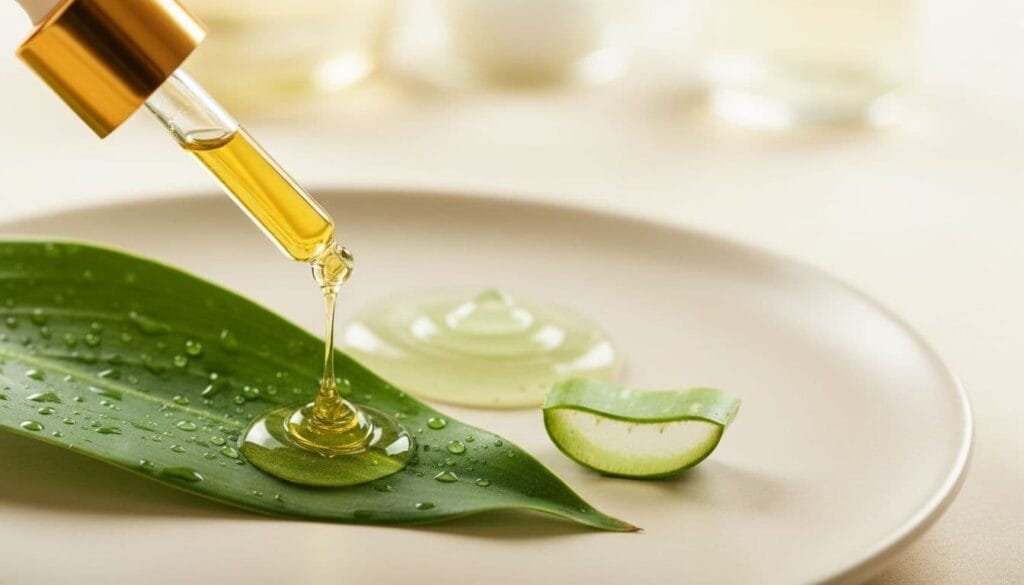
Short on time? Keep this easy and repeatable. Here is a base routine most people can use, with quick tweaks by skin type and season. I added one tiny DIY per routine if you like to make things at home.
Morning Routine: Protect, Hydrate, And Prime The Barrier
- Gentle cleanse or rinse with lukewarm water.
- Toner or mist made with aloe or rose water.
- Targeted serum, like a vitamin C-rich botanical or green tea.
- Moisturizer with jojoba or squalane.
- Always finish with sunscreen.
Quick DIY: Brew green tea, let it cool, then add a splash of pure aloe. Store in the fridge for up to 3 days. Use as a morning toner.
Night Routine: Cleanse Well, Treat, And Seal In Moisture
- Oil cleanse if you wore sunscreen or makeup.
- Gentle gel cleanse to remove residue.
- Treatment serum, like bakuchiol, licorice, or gotu kola.
- Moisturizer or a light facial oil blend.
- Optionally, use an overnight hydrating mask once a week.
Patch test new treatments, especially if your skin is reactive. If you enjoy homemade body care, you might love these homemade oatmeal lotion recipes for soft, comfortable skin.
By Skin Type: Oily, Dry, Combination, Sensitive, And Mature
- Oily: Use lighter gels, add green tea, and keep oils to two drops max.
- Dry: Add richer emollients like argan at night and layer a hydrating serum under your cream.
- Combination: Spot-treat the T-zone with a clarifying serum and keep cheeks cushioned.
- Sensitive: Skip fragrance and essential oils. Keep formulas simple and short.
- Mature: Layer an antioxidant serum in the morning and bakuchiol at night with squalane.
Seasonal Swaps: Summer Lightweights And Winter Rich Oils
In heat, focus on aloe, green tea, and lightweight gels. In cold months, lean on rosehip and squalane with a thicker night cream. A humidifier helps year-round, and SPF is non-negotiable in every season.
Quick DIYs You Can Make Safely At Home
- Green Tea Toner: Cooled brewed green tea with a splash of pure aloe. Store in the fridge up to 3 days.
- Oat Flour Cleanser: Finely ground oats mixed with water into a soft paste for a gentle cleanse.
- Rosehip + Jojoba Night Oil: Mix 3 parts jojoba with 1 part rosehip in an amber bottle.
Safety first: clean tools, small batches, label and date each bottle. For a bigger picture of simple, natural care, explore these friendly natural beauty essentials.
Key Takeaway:
Keep your routine short and steady. Choose one active for morning and one for night, then let time do the rest.
Love These Simple DIYs? Get the Complete Recipe Collection.
If you’re ready to go from a few recipes to a complete toolkit, the Natural Living Handbook is your next step.
With 60+ proven recipes for non-toxic skincare, haircare, laundry, and more, so you always have a simple, natural swap for every part of your home.

Safety, Myths, And Smart Shopping Tips
A few smart habits protect your skin and your budget. Patch testing prevents surprises. Labels tell you more than the front claims. Storage keeps your products fresh so they perform well.
Patch Testing And Allergen Watchouts
Apply a small amount of a new product on the inner arm and wait 24 to 48 hours. Watch for redness, itching, or bumps. Common triggers include essential oils, fragrance blends, and botanicals from the ragweed family. During pregnancy and for children, keep formulas simple and check with your healthcare provider for anything new or strong.
Common Myths About Botanical Skincare, Busted
- Oils always clog pores: Not true. Many are fine when used sparingly, especially jojoba and squalane.
- Natural is always safe: Natural can still irritate. Patch test and read labels.
- More product equals faster results: Skin does better with steady, modest use.
- Botanicals lack science: Many plant compounds are widely studied and used in dermatology. Consistency still matters most.
How To Read Labels And Spot Greenwashing
Look for full INCI ingredient lists and note order, since higher amounts appear near the top. Real certifications, like COSMOS or USDA Organic, carry more weight than vague promises. If you are reactive, choose fragrance-free and keep actives low at first. Be cautious of sweeping claims like toxin-free without clear details.
Storage, Shelf Life, And When To Toss It
Store products in a cool, dark place with lids tight. Use clean hands or droppers. Most plant oils last 6 to 12 months after opening. Toss if the scent turns sharp, color shifts a lot, or the texture separates oddly.
Key Takeaway:
Read labels, patch test, and store well. You will save your skin and your dollars.
FAQs: Botanical-Based Skincare
Is Botanical-Based Skincare Good For Acne?
Yes, many find it helpful. Green tea, thyme, and willow bark support clearer pores while keeping the barrier calm. Keep hydration light, use sunscreen daily, and introduce one active at a time so you know what is working.
Can Plant Oils Clog Pores?
Some can, but many do not when used correctly. Jojoba and squalane are good options for oily or acne-prone skin. Apply two to three drops on damp skin, then press in gently.
What Botanicals Are Safe During Pregnancy Or Nursing?
Gentle moisturizers with aloe, jojoba, and squalane are usually well tolerated. Avoid strong essential oils and high-salicylate products. Check with your healthcare provider before starting new treatments.
How Long Until I See Results?
Hydration can improve in a few days. Clarity and tone often improve in 2 to 4 weeks. Dark spots or fine lines can take 8 to 12 weeks with daily use and sun protection.
Can I Mix Botanicals With Retinol Or Vitamin C?
Yes, with simple rules. Use vitamin C or green tea in the morning, and retinol or bakuchiol at night. Avoid stacking too many actives at once. If irritation shows up, simplify.
Natural Skincare, Healthy Skin
Botanical-based skincare supports your barrier, calms your skin, and delivers steady results with simple steps. Start small with one serum or oil, patch test it, and track changes for a month. Try a gentle routine or one easy DIY from this post, or a DIY from any of the many posts on our website. With a little patience, you will see how simple, low-tox care can serve the whole family.