
How to Declutter Your Home: Room-by-Room Strategy for Families
Ever walk in the door and feel your shoulders tense at the first pile you see? I have, and it steals more energy than we realize. A tidy home makes daily life smoother and gives time back for what matters, like family dinners and slow evenings.
- Start With a Simple Plan Before You Touch a Single Drawer
- Gather Supplies and Set Ground Rules
- The Four-Part Declutter Framework
- The Room-by-Room Strategy
- Entryway and Mudroom: Stop Clutter at the Door
- Living Room and Family Room: Clear Surfaces and Create Calm
- Kitchen and Pantry: Clear Counters and Cut Food Waste
- Dining Room: Make Gatherings Simple
- Bedrooms: Sleep Better With Less Stuff
- Kids’ Rooms and Playroom: Tame Toys Without Tears
- Bathroom: Streamline Products and Storage
- Home Office and Paperwork: Control Mail and Files
- Laundry Room and Linen Closet: Make Cleaning Easier
- Linen and Cleaning Closets: Lighten Storage
- Garage, Basement, and Storage: Big Wins With Big Items
- Keep It Clutter Free: Daily Habits and Seasonal Resets
- Common Roadblocks and Gentle Fixes
- Grab-and-Go Declutter Checklist
- Simple Scripts That Make Letting Go Easier
- A One-Week Jumpstart Plan Using the Four-Part Framework
- Frequently Asked Questions
- Final Thoughts
This plan gives you a gentle but powerful system to reclaim each space without burnout. You will use short sessions, clear rules, and a four-part process you can repeat anywhere.
The goal is not a magazine home. The goal is a peaceful, functional space that serves your family and is easy to maintain.
Start With a Simple Plan Before You Touch a Single Drawer
Before you pull out a single drawer, take five minutes to plan. A brief plan keeps the mess contained and helps you end each session with a finished space instead of half-sorted piles.
- Choose your order. Start with the entry for a quick win, or pick the hardest room if a major result will motivate you.
- Pick your method. Rotate between a twenty-minute timer, one shelf a day, and the four-box system.
- Set up zones. Keep, Donate, Trash, Relocate. Add a small quarantine box for unsure items. Date it for thirty days. If you do not reach for anything by then, donate it without reopening.
- Pre-plan donation and disposal. Decide where items will go so bags do not linger. Put donations in the car after each session.
- Batch by category later. After you finish the rooms, do a short pass across the house for books, papers, and linens to avoid repeat handling.
Key takeaway: Five minutes of planning prevents half-started projects and gives each session a clean finish.
Gather Supplies and Set Ground Rules
Supplies
- Three boxes or bags labeled Donate, Trash, Relocate
- Recycling bin
- Sticky notes and a marker
- Measuring tape for shelves and bins
- Timer
- Small caddy with microfiber cloths and a simple all-purpose cleaner
Ground rules
- One in, one out for every category
- No guilt over sunk costs
- No maybe pile. Use the dated quarantine bin instead
- Decide in ten seconds when possible. Trust your first instinct
Key takeaway: light structure removes friction and speeds decisions.
The Four-Part Declutter Framework
Use the same rhythm in every space so you never wonder what to do next.
- Setup. Gather tools, open a window, and set a timer for 45 to 90 minutes.
- Declutter. Sort quickly with the four-box system. Keep, Donate, Trash, Relocate.
- Reset. Spend ten minutes cleaning and restoring order so the room looks finished.
- Tiny habit. Add one small daily action that keeps the area clear long term.
This repeatable framework builds momentum and turns short sessions into lasting results.
The Room-by-Room Strategy
Entryway and Mudroom: Stop Clutter at the Door
Setup
Bring donation and trash bags. Clear one hook and one shelf as your starting zone. Put a tray for keys on the entry table.
Declutter
Empty the bench, table, and floor. Keep only daily gear. Assign one hook per person. Add a basket for hats and gloves. Create a shallow mail bin with one Action folder. Toss expired coupons and menus. Move off-season gear to bedroom closets or a labeled bin elsewhere.
Reset
Shake the rug, wipe surfaces, sweep the floor, and place keys in the tray. Add a small label to the Action folder so everyone knows where the mail goes.
Tiny habit
Five-minute evening sweep. Line up shoes, empty bags, and tuck mail into the folder.
Key takeaway: A clean entry sets the tone for the whole home.
Living Room and Family Room: Clear Surfaces and Create Calm
Setup
Bring a laundry basket for out-of-place items and a small bin for remotes and chargers. Open blinds for better light.
Declutter
Clear the coffee table and end tables to empty. Remove old magazines and extra decor. Store blankets in one basket and limit throw pillows to what you use. Collect remotes, chargers, and controllers into one container. Donate knick-knacks that no longer fit your style. Return stray items with the laundry basket.
Reset
Vacuum, fluff cushions, fold one blanket neatly, and wipe tables. Tidy any visible cords with a small clip or tie.
Tiny habit
Five-minute nightly pickup before bedtime. Everyone returns items to their zones.
Key takeaway: clear surfaces and simple storage make evenings restful.
Kitchen and Pantry: Clear Counters and Cut Food Waste
Setup
Fill the sink with hot, soapy water for wiping. Have donation and trash bags ready. Place a box by the door for duplicate mugs and containers with missing lids.
Declutter
Work by zone. Counters first. Remove rarely used appliances and store them behind a door. Keep one daily station only, such as coffee or tea. Move to drawers and cabinets. Group by purpose. Breakfast, baking, dinner prep, snacks. Label shelves with sticky notes to test layouts. In the pantry and fridge, toss expired or stale items and use first-in-first-out to prevent waste.
Reset
Wipe counters and handles, organize drawers, and line shelves. Put a clean towel on the oven handle for a finished look.
Tiny habit
Wipe counters after dinner before you sit down. Ten seconds now saves twenty minutes later.
Key takeaway: counters are for work, not storage. If you do not use it daily, store it.
Dining Room: Make Gatherings Simple
Setup
Bring a box for seasonal decor and a folder for lingering papers.
Declutter
Clear the table to empty. Remove mail, art projects, and tools. Keep only a simple centerpiece that can move quickly at mealtime. Edit serveware and linens. Keep one neutral set that mixes well and donate extras you never reach for.
Reset
Wipe the table and chairs. Fold linens and store them vertically so you can see what you own. Place a small tray for salt, pepper, and napkins.
Tiny habit
End each day with a one-minute table clear. A clear table helps the whole home feel settled.
Key takeaway: a clear dining table anchors family routines.
Bedrooms: Sleep Better With Less Stuff
Setup
Open a window for fresh air. Bring donation bags and a small basket for misplaced items.
Declutter
Clear nightstands and dressers. Keep a lamp, one current book, and essentials only. Move skincare and medicines to the bathroom or to a small caddy that tucks away. Check under the bed for hidden clutter. In the closet, use the hanger flip trick. Turn hangers backward today. After 60 to 90 days, anything still backward is a donation candidate. Remove items that do not fit or that you dislike wearing.
Reset
Vacuum or sweep, make the bed hotel tight, and place one simple decor piece that makes you smile.
Tiny habit
Put clothes away or into the hamper each evening. Two minutes keeps the room calm.
Key takeaway: a clear room and a made bed improve sleep and lower stress.
Kids’ Rooms and Playroom: Tame Toys Without Tears
Setup
Gather bins for categories. Blocks, dolls, puzzles, cars, pretend play. Have one large bag for donations. Write a short yes-and-no list for kids. Yes means complete puzzles, favorite books, and working toys. No means broken pieces, duplicates, and outgrown items.
Declutter
Sort toys by type. Keep what is complete, loved, and age-appropriate. Create a rotation bin for extras and store it in a closet. Donate outgrown toys. Limit stuffed animals to one basket. Keep current sizes in drawers and a simple memory box for art and awards.
Reset
Wipe shelves, vacuum, and restock bins with one category in each. Place the rotation bin out of sight.
Tiny habit
Do a five-minute music tidy each evening. When the song ends, toys are away. Use picture labels to help non-readers.
Key takeaway: kids manage spaces better when they can see and reach everything they own.
Bathroom: Streamline Products and Storage
Setup
Bring a small caddy, trash bag, and recycling bin.
Declutter
Pull out all products. Toss expired or unloved items. Keep one open bottle per product type. Group by category. Hair, skin, dental, first-aid, and cleaning. Edit samples to a single travel pouch.
Reset
Wipe counters, drawers, and mirrors. Place daily items in one basket or the top drawer. Store backups in a labeled bin. Hang two towels per person and keep a small stash of clean washcloths within reach.
Tiny habit
Quick counter wipe after brushing teeth each night. This takes seconds and keeps the room fresh.
Key takeaway: simple limits keep mornings calm and cabinets manageable.
Home Office and Paperwork: Control Mail and Files
Setup
Bring folders labeled Pay, File, Read, and Shred. Set a shred bin near your desk. Clear a small working area.
Declutter
Sort all papers into the four folders. Keep only current documents and essential records. Scan receipts and forms, then recycle. Clear desktop clutter and remove unused cords or duplicate cables.
Reset
Wipe the desk and screen, file folders neatly, and empty the trash. Place a small inbox tray and a pen where you can reach them easily.
Tiny habit
Ten minutes of paper sorting every Friday prevents piles from forming. If time runs long, set a twenty-minute timer and stop when it ends.
Key takeaway: If you do not have an inbox, the whole house becomes the inbox.
Laundry Room and Linen Closet: Make Cleaning Easier
Setup
Grab a donation bag, cleaner, and a small caddy.
Declutter
Remove old or empty detergent bottles, mismatched linens, and worn towels. Group supplies by wash, dry, and fold. Keep a stain removal caddy ready for pre-treating. Get rid of old rags, and store the ones you’re keeping in a labeled bin.
Reset
Wipe the machines, sweep the floor, and neatly fold two towel sets per person and two sheet sets per bed. Store sheets by size and label the shelf edges if that helps the family.
Tiny habit
Return clean loads to closets within 24 hours. Laundry that lives in a basket still counts as clutter.
Key takeaway: order in the laundry room saves hours across the week.
Linen and Cleaning Closets: Lighten Storage
Setup
Bring a timer and a measuring tape to confirm shelf fit before buying bins.
Declutter
Remove old light bulbs, expired cleaning products, and extra vases you never use. Keep one backup set of sheets per bed and donate what does not fit easily.
Reset
Wipe shelves, add simple labels, and group by task. Bath towels together, bedding together, cleaning together.
Tiny habit
Refold and ensure towels are front-facing during your weekly sweep. This will keep your shelves neatly organized and presentable.
Key takeaway: storage should make life easier, not make room for more stuff.
Garage, Basement, and Storage: Big Wins With Big Items
Setup
Wear gloves and work in daylight. Clear a staging zone for sorting. Be sure to have a dump run or pickup day already scheduled.
Declutter
Start with bulky categories. Sports gear, tools, holiday decor, and baby gear you no longer use. Decide to keep, donate, or sell. Use a two-week rule for selling. If it does not sell within two weeks, donate. Move items off the floor to shelves or wall hooks.
Reset
Sweep the floor, hang tools, and label bins. Keep paint and chemicals on one secure shelf. Store sports gear in one bin per activity. Stack holiday decor neatly and label clearly.
Tiny habit
Do a fifteen-minute check once a month to return stray items to their zones.
Key takeaway: if it lives on the floor, it spreads. Store vertically whenever possible.
Keep It Clutter Free: Daily Habits and Seasonal Resets
You worked for this progress. Protect it with short routines that take minutes.
Daily ten and launch pad
- Ten minutes each night to clear flat surfaces and floors
- Create a launch pad near the door for backpacks, work bags, and keys so mornings flow smoothly
One in, one out for every category
- When something new comes in, something old goes out
- Keep a donation bag in a closet or garage year-round
Weekly sweep
- Thirty minutes on hotspots every week
- Focus on the entry, kitchen counters, dining table, and laundry area
Monthly mini declutter
- Choose one drawer, one shelf, or one bin each month
- This prevents buildup before it starts
Seasonal refresh
- Each season, review decor, clothes, and kids’ items
- Donate unused pieces and store only what you love
- Limit keepsakes to one labeled bin per person
Key takeaway: maintenance is easier than an overhaul. Short resets protect your hard work.
Common Roadblocks and Gentle Fixes
Low energy days
Start with ten minutes or one small drawer. Small wins rebuild momentum.
Sentimental items
Set a five-minute timer. Keep one favorite, photograph the rest, and move on. If you hesitate, use the dated quarantine bin.
Family brings new clutter
Name neutral zones. The entry, kitchen counter, and dining table stay clear by default. Anything that lands there is sorted during the nightly reset.
I keep reorganizing instead of decluttering
Touch each item once. Decide now. Reorganizing without letting go only rearranges clutter and burns time.
Selling stalls progress
If you cannot list it in ten minutes and sell within two weeks, donate. Your time is valuable.
Decision fatigue
Use the 20/20 rule. If you can replace it for under twenty dollars in twenty minutes, let it go.
Storage creep
Let containers set limits. When a bin is full, something leaves. Do not buy more bins to hold more stuff.
Paper keeps coming back
Limit inputs. Unsubscribe from catalogs and email lists. Create a single-family inbox and process it three times a week for ten minutes.
Key takeaway: most barriers fall to short timers, small boundaries, and clear rules.
Love This Decluttering System?
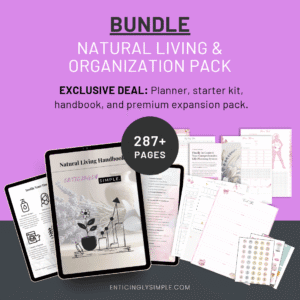
Get the Finally in Control Planner to make it a scheduled habit.
It’s included in my Natural Living & Organization Bundle, along with the Natural Living Handbook (60+ non-toxic DIY recipes and comprehensive guides for your newly clean home).
Grab-and-Go Declutter Checklist
Keep this list printed or pinned where you can grab it fast.
Declutter Checklist:
- Timer
- Three boxes or bags labeled Donate, Trash, Relocate
- Recycling bin or paper bag
- Sticky notes and a marker
- Measuring tape
- Microfiber cloth and cleaner
- Laundry basket for misplaced items
- Shred bin
- Car keys ready for same-day donation drop-off
Key takeaway: having tools ready removes excuses and speeds every session.
Simple Scripts That Make Letting Go Easier
Gifts
I am grateful for the thought. I enjoyed this for a season, and now it is time to bless someone else.
Duplicates
I am keeping the best one. The extra can help another family.
Someday items
If I need it later, I will borrow or replace it. My space matters today.
Expensive mistakes
I paid once with money. I do not need to keep paying with space.
Key takeaway: clear language helps your brain release items without guilt.
A One-Week Jumpstart Plan Using the Four-Part Framework
Use this schedule if you want a quick reboot. Each day follows setup, declutter, reset, and tiny habit.
Day 1: Entry and car
Set up tools at the door. Declutter shoes, coats, mail, and the car floor. Reset with a sweep and a rug shake. Tiny habit is the five-minute evening sweep.
Day 2: Kitchen counters and fridge
Set up a donation box for duplicates. Declutter counters and toss expired food. Reset with a full wipe down. Tiny habit is a counter wipe after dinner.
Day 3: Living room
Set up a bin for remotes and cords. Declutter tables, blankets, and decor. Reset with a vacuum and cushion fluff. Tiny habit is a five-minute pickup before bed.
Day 4: Bedrooms
Set up donation bags. Declutter nightstands, dressers, and under the bed. Reset with a made bed and a quick floor clean. Tiny habit is putting clothes away nightly.
Day 5: Closets
Set up a full-size donation bag. Declutter clothes with the hanger flip method and remove duplicates. Reset by lining up shoes and wiping the top shelf. Tiny habit is keeping a donation bag in the closet year-round.
Day 6: Bathrooms and laundry
Set up a caddy. Declutter expired products and laundry shelf clutter. Reset with fresh towels and a wiped counter. Tiny habit is a nightly counter wipe.
Day 7: Paper and digital
Set up action folders. Declutter mail into Pay, File, Read, and Shred. Do a 30-minute digital tidy. Reset with a clear desk and empty trash. Tiny habit is a ten-minute paper session each Friday.
Key takeaway: a single focused hour a day can reset an entire home in one week.
Frequently Asked Questions
How do I handle items I might need someday?
Use the 20/20 rule. If you can replace it for under twenty dollars in twenty minutes, let it go. Space has value.
What if my spouse is not on board?
Model the change in your own zones first. Keep shared areas neutral and calm. Invite, do not force. Often, results speak louder than reminders.
How do I declutter with toddlers?
Use two five-minute sprints a day. Morning and evening. Keep bins at kid height and use picture labels.
What about seasonal decor?
Store only what you truly use and love. Label by room or area. If a bin does not open during the season, donate its contents at the end.
How do I prevent the entryway from getting cluttered again?
Cap hooks at one or two per person. Use a small mail bin with one Action folder. Do the evening sweep without fail.
Final Thoughts
Start with one drawer or one shelf today. Progress beats perfection every time. Use the four-part system in every space. Setup, Declutter, Reset, Tiny habit. Short sessions build momentum. Clear rules protect your time. A few steady habits keep your home light all year.
Choose one room, set a twenty-minute timer, and take the first step toward a calmer, clutter-free home that gives your family more room to breathe and more time to enjoy being together.